One of the biggest fears people have before starting the 5:2 diet is hunger. Five hundred calories sounds impossibly small. How are you supposed to get through an entire day on that?
Here’s the truth: with the right foods and strategies, 500 calories can actually be a lot of food. And most people find that fast days become surprisingly manageable after the first week.
This guide shows you exactly how to make it work.
Why You Get So Hungry on Fast Days (And How to Fix It)
Hunger on fast days usually comes from one of three mistakes:
Eating the wrong foods — high-carb foods spike blood sugar fast and leave you starving within an hour.
Eating too early — spending your calories at breakfast leaves you with nothing for the rest of the day.
Not drinking enough — dehydration is often mistaken for hunger.
Fix those three things and your fast days will feel completely different.
The Golden Rule: Protein + Fiber First
The most effective way to stay full on 500 calories is to build every meal around protein and fiber. Both slow digestion, stabilize blood sugar, and send fullness signals to your brain.
This is one of the most powerful strategies for managing hunger on fast days.
If you eat breakfast at 7am, you’ll be hungry again by noon and you’ll have burned through half your calories before the day has even started. Instead, try skipping breakfast and delaying your first meal as long as possible — ideally until noon or early afternoon. This condenses your eating into two satisfying meals rather than spreading 500 calories thinly across three small ones that barely register.
A common pattern that works well:
12:00 pm — Lunch (150–200 calories)
6:00 pm — Dinner (300–350 calories)
This leaves you with a filling dinner to look forward to all day, which makes the waiting much easier.
Drink More Than You Think You Need
Staying hydrated is one of the most underrated strategies for making fast days easier. Thirst and hunger signals come from the same part of the brain — meaning dehydration often feels exactly like hunger.
On fast days, these drinks are all free (zero calories and don’t break your fast):
Water — still or sparkling
Black coffee
Green tea
Herbal teas (peppermint, chamomile, ginger)
Vegetable broth (very low calorie and surprisingly filling)
Vegetable broth is especially useful — it’s warm, salty, and satisfying, and it bridges the gap between meals for under 20 calories per cup.
Soup Is Your Best Friend
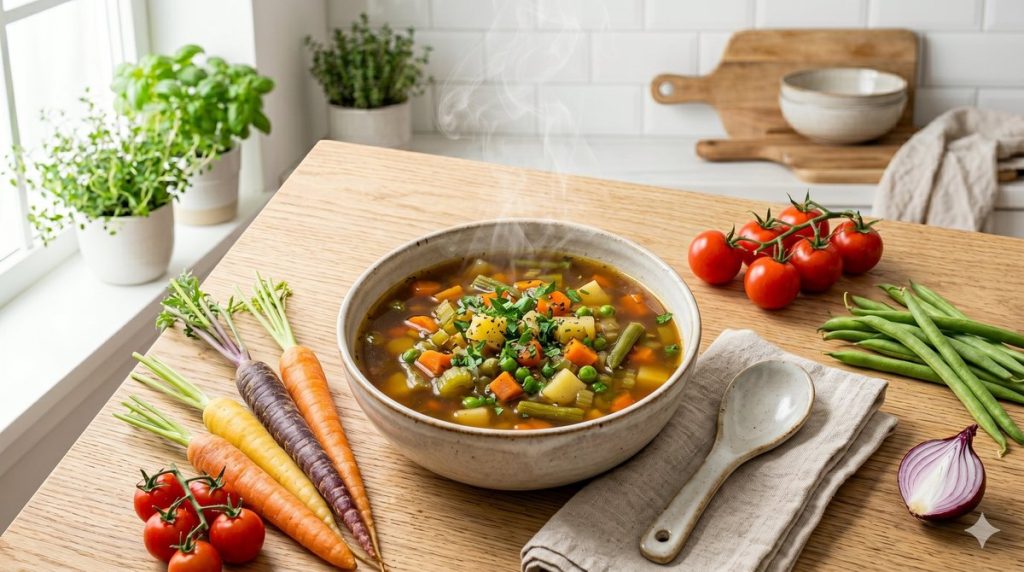
Studies show that soup makes people feel fuller than the same ingredients eaten as solid food. The liquid volume fills your stomach, the warmth is satisfying, and digestion is slower.
A big bowl of homemade vegetable soup can be as low as 80–100 calories and keep you full for 2–3 hours. Add shredded chicken or a poached egg and you have a complete meal for around 200 calories. Keep a batch in the fridge on fast days — it’s a game changer.
How to Split Your 500 Calories
There’s no single right way — choose what works for your lifestyle:
Option 1: Two meals (recommended)
Lunch: 150–200 cal
Dinner: 300–350 cal
Option 2: Three small meals
Breakfast: 100 cal
Lunch: 150 cal
Dinner: 250 cal
Option 3: One big meal (OMAD-style)
Dinner only: 500 cal
Works well for people who find it easier to not think about food until evening
Avoid spreading 500 calories across five tiny snacks — small amounts of food can actually stimulate appetite rather than satisfy it.
Keep Busy — Seriously
Hunger is largely mental on fast days, especially in the early weeks. When you’re bored or sitting still, you think about food constantly. When you’re focused on work, errands, or activity, hours pass without noticing.
Schedule your fast days on your busiest days of the week — not on weekends when you’re at home near the kitchen. This is one of the key habits that successful 5:2 dieters consistently follow.
What to Do When Hunger Hits Hard
Even with the best strategy, hunger waves will come — especially in the first 2–3 fasts. Here’s how to ride them out:
Drink a large glass of water first. Wait 10 minutes. Often the craving passes.
Make a cup of herbal tea or black coffee. The warmth and taste help significantly.
Distract yourself for 20 minutes. Go for a short walk, make a call, tackle a task. The wave usually passes.
Remember it’s temporary. You eat normally tomorrow. This is not starvation — it’s one managed day.
Most people report that hunger on fast days comes in waves rather than being constant. Once a wave passes, you often feel fine — even energized — for the next few hours.
Foods to Avoid on Fast Days
Some foods burn through your calorie budget fast and leave you hungrier than before:
Bread, rice, pasta, potatoes — high carb, spike blood sugar, trigger more hunger
Fruit (except small portions of berries) — natural sugars cause blood sugar swings
Nuts and nut butters — very calorie-dense for a small volume
Cheese — high calorie for a small portion
Processed snack foods — no fiber, no protein, gone in minutes
Stick to whole, protein-forward, fiber-rich foods and your calories will go much further.
Sample 500-Calorie Fast Day Menu
Lunch (~170 calories)
1 boiled egg (70 cal)
Large green salad with cucumber, tomato, spinach (40 cal)
60g canned tuna in water (60 cal)
Afternoon
1 cup vegetable broth (15 cal)
Green tea or black coffee (0 cal)
Dinner (~300 calories)
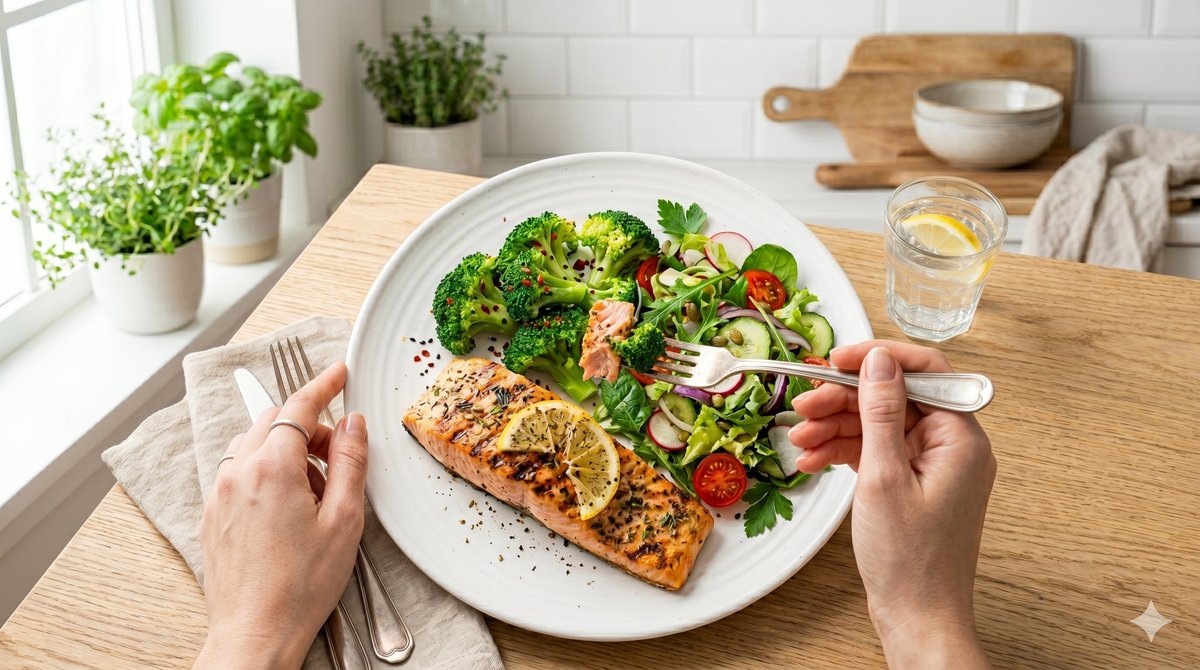
120g grilled white fish (110 cal)
2 cups steamed broccoli and zucchini (60 cal)
100g cottage cheese (80 cal)
Herbal tea (0 cal)
Total: ~485 calories
Does It Get Easier?
Yes — significantly. Most people find the first 2–3 fast days the hardest. After that, your body adjusts, your hunger hormones recalibrate, and fast days start to feel almost routine. If you’re curious about what else changes in those early weeks, here’s what to expect in your first 30 days.
Many experienced 5:2 followers actually report feeling clear-headed and energized on fast days after a few weeks — one of the most common signs the 5:2 diet is working for you.
The Bottom Line
Staying full on 500 calories is absolutely doable — it’s just about making smart choices. Lead with protein and fiber, drink plenty of fluids, eat later in the day, and keep yourself busy. The hunger gets easier with every fast.
Want a done-for-you fast day plan? Download our free 7-Day 5:2 Meal Plan — no guesswork needed.
Enjoyed this article?
Get weekly 5:2 tips, recipes and meal plans delivered straight to your inbox — free.