Being tethered to our homes, as so many of us are right now, can have some perks, like family board game sessions in the middle of the day and finally cleaning out that junk drawer.
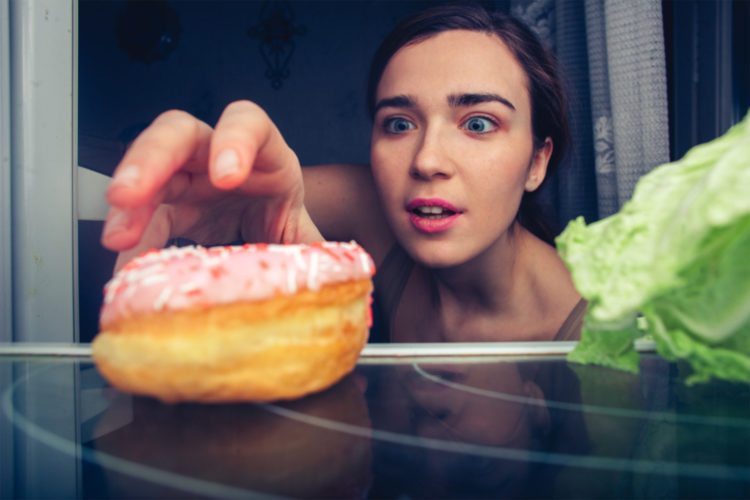
But erratic eating, extending to foraging through the pantry for potato chips or nursing a tub of rocky road while freaking out at the news, is wreaking havoc on diet plans — and waistlines — everywhere.
“My clients are calling it the COVID-20,” in reference to fears of gaining that much unwanted weight before this is all over, said registered dietitian Ashley Koff, chief executive of the online resource the Better Nutrition Program, based in Columbus, Ohio. “We’re all in a situation where the gym is shut down, we’re home a lot, we’re stressed, and it’s making it easy to overeat.”
Social media is awash with posts about COVID-19-related stress eating; @thecut posted a “Quarantine Meal Schedule” on Instagram that included “Panic Snack w/news.”
With people feeling unsure about their next paycheck, seeing empty shelves at the grocery store and spending days on end at home, it’s no surprise that stress eating is a real thing.
“In acute times of stress we release cortisol … and prolonged stress, which is what we are now experiencing [gives us] elevated cortisol, which increases hunger,” said Christian Gonzalez, naturopathic doctor and integrative oncologist based in Mountain View, Calif. “The prolonged mental stress signals our body that food may be scarce, and when that is not the case, we begin to graze, snack and overeat.”
Experts say getting back to better eating habits is more critical now than ever, especially to fortify the body’s immune system as the virus continues to spread.
“While many of us have been binging due to boredom, there are foods to help us feel fuller for longer,” said Neal Malik, department chair of nutrition and basic sciences at Bastyr University in San Diego. “And they provide important nutrients to support overall health and wellness.”
Here are 20 ways to quit stress-snacking and start eating better. After all, we’re going to have to get out of these sweat pants one day.
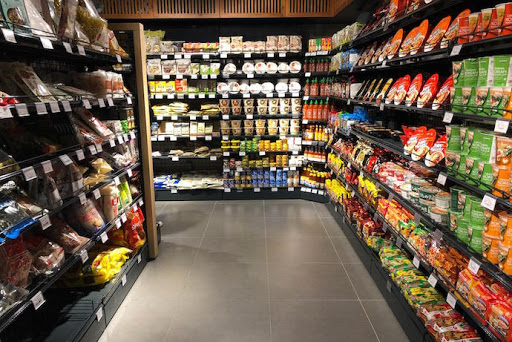
1. If you’re venturing out to the grocery store, don’t forget your face mask and look for protein-dense snacks that will support your health, instead of grabbing stuff that will taste good, said Terry Wahls, clinical professor of medicine at the University of Iowa Carver College of Medicine. His suggestions: nuts, seeds, dehydrated kale chips and meat sticks.
2. Use what you’ve got before shopping, said Stephanie Dreyer, Hermosa Beach-based founder of plant-based meal planning site Batch Cooking Club. “Start with your freezer and pantry and build a meal from there, using the store to fill in with produce and meat.”
3. Be the gatekeeper for what comes into your home, said Koff. “People used to complain about having to walk past somebody’s candy jar at the office at 3 p.m. So don’t have that candy jar at home. Think of this time as a way to double down on your health.”
4. Beans for breakfast: Los Angeles naturopathic doctor Stephanie Berg says beans tend to have a “second meal effect,” which generally leads to feeling less hungry throughout the day.
5. Plan snacks just as you would plan meals, said Dreyer. “It’s easy to buy carrots and cucumbers and pair them with store-bought hummus or a dip you make at home,” she said. “Factor in snacks as you’re thinking about your meals for the week.”
6. Watch the sugar: Listen to the World Health Organization’s recommendations on sugar intake but skim some off the top. “The WHO says 6 teaspoons a day of added sugar is acceptable for adults,” said Koff. “But sugar can depress the immune system. I’d say stick to 4 teaspoons and spread them out during the day. Instead of coffee and cereal at the same time, split them up.”
7. Don’t hoard, said Berg. “People are overbuying and, combined with immense stress and being at home more than ever before, it’s a dangerous situation for willpower and the waistline. Don’t stock up on junk. Remember, if it’s in your house, it’s in your mouth.”
8. There’s nary a noodle to be found in the pasta aisle, but nobody is panic-buying broccoli — so shop the supermarket perimeter, said Dreyer. “Stores have plenty of fresh vegetables and fruit. Start there. It’s much more economical anyway than the packaged stuff.”
9. Watch portion sizes. Nuts are great but not by the handful, said Malik. “They have it all: protein, fiber, and most contain heart-healthy fats. When combined, these nutrients contribute to feelings of satiety. No need to go overboard here — one-quarter to one-half cup of mixed, roasted, unsalted nuts is plenty.”
10. Get help if you need it. Many nutritionists, dietitians and fitness coaches are working virtually. Schedule a consult via Zoom or Skype, especially if you’re trying to stick to a specific meal plan like keto, paleo or vegan. And while this may be a good time to start intermittent fasting, Koff says speak to a medical professional first to make sure you’re getting all the nutrients you need.
11. The soup shelves might be bare, but there’s always sauerkraut; buy it, said Wahls. The probiotics in fermented foods “help modulate the immune response, lowering the risk of septic shock in response to serious viral infections.” Plus it’s a good source of vitamin C.
12. Keep the same timetable as you would if going to work outside the home, said Dreyer. “Get up at the time you would otherwise, have breakfast, exercise, just do what you would otherwise. Finding a sense of normalcy will help you keep regular eating habits.”
13. When you think you’re hungry, drink water, said Berg. Hydrating will stave off hunger pangs, “and when you do eat, you will eat less.”
14. Work in three-hour blocks of time, suggests Koff. “Don’t be sitting for longer than three hours. Get up, move, have some water, get in what I call a ‘nutrition pit stop.’ And get in a few minutes of deep breathing every few hours.”
15. Fiber is everything, said Malik. Quinoa cooks quickly, has 6 grams of fiber per serving and paired with vegetables is an easy snack. “It’s a complete protein … it contains all of the amino acids to help support our body’s tissue and muscle growth. And the combination of protein and fiber will help curb those cravings.”
16. Even snacks should be “real food,” said Koff. “If you want potato chips, can you make them from scratch at home? If not, find some where the first ingredient is potato and not some highly processed potato starch.”
17. Being stuck at home doesn’t mean being sedentary; Dreyer says it’s important to “be as active as you can in the house — walk the dog, take a dance break with the kids. Build those into your day. If you’re keeping your mind busy, you won’t reach for snacks.”
18. It’s more important than ever to stick to a budget, said Berg. With economic uncertainty looming, buy inexpensive produce like potatoes and sweet potatoes — bake or roast them, add some beans or vegetables. They will keep you fuller for longer on a lot less money.
19. If you are going to eat something processed, like a chip or cracker, pair it with something fresh, like guacamole or salsa, suggested Koff.
20.Experiment with stress-reduction techniques. As hard as it is right now, said Wahls, practice gratitude. “Even when life is very difficult, there’s always something you can be grateful for.”